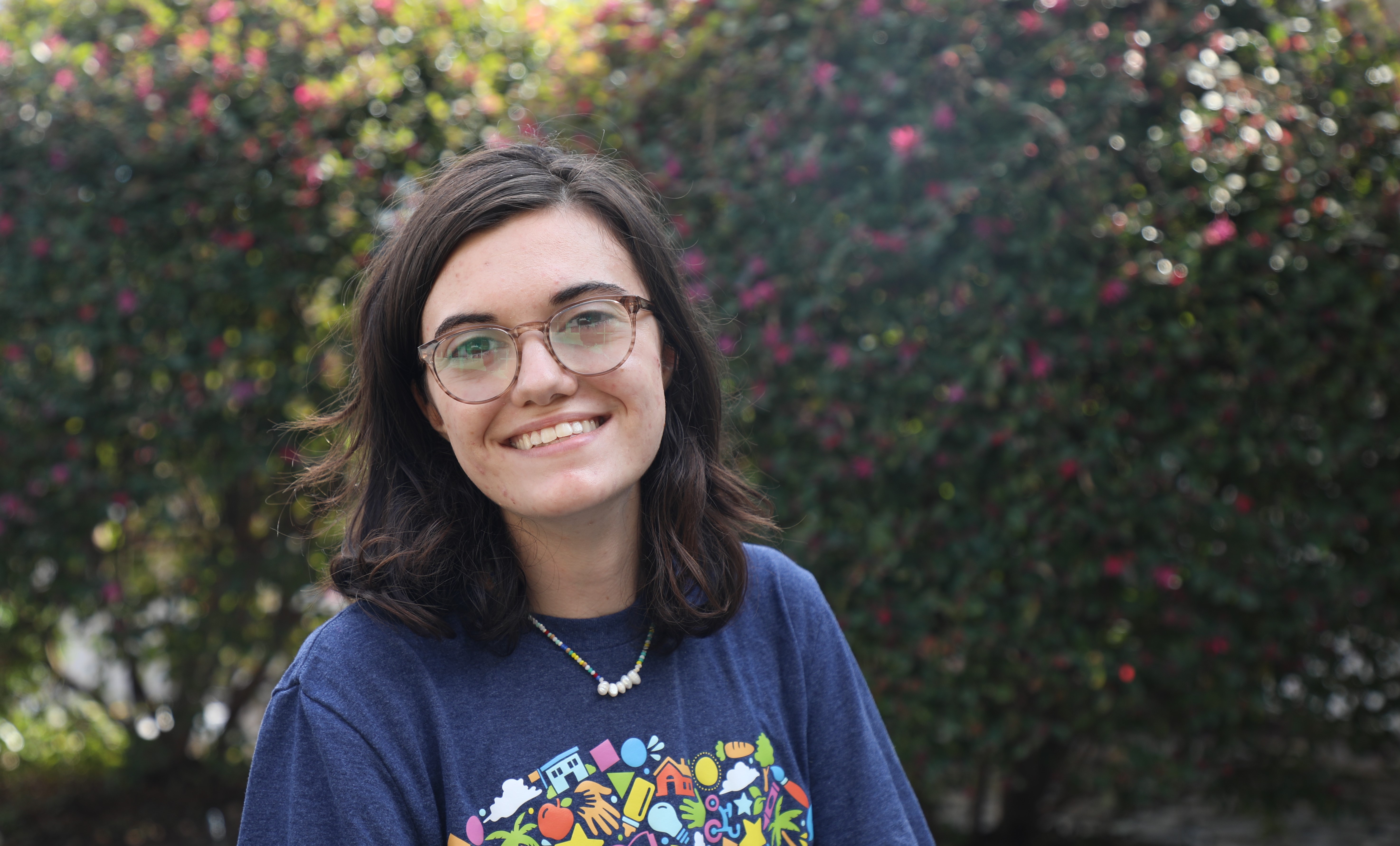
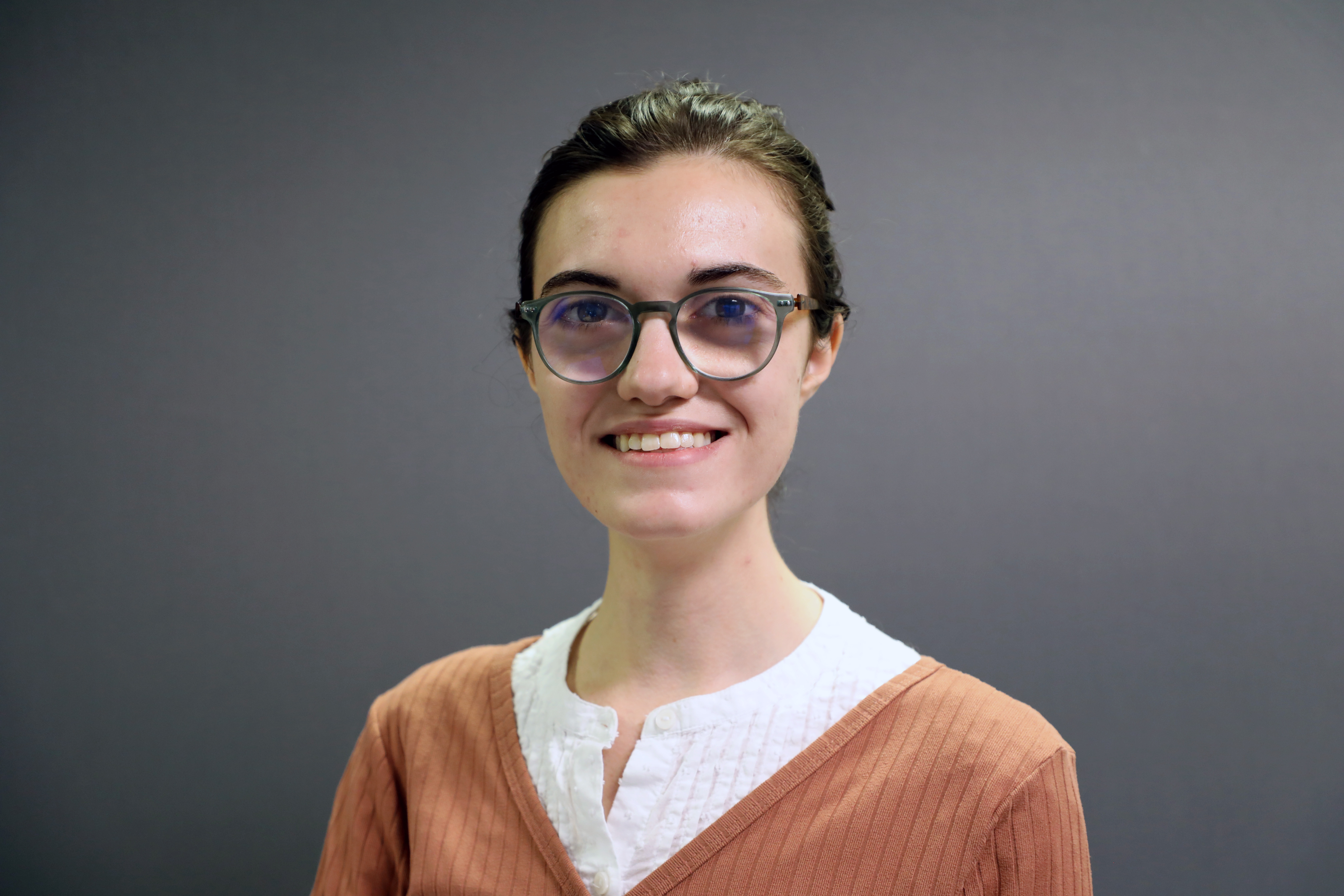
Today is my final day as the Communications VISTA at South Carolina First Steps. To everyone who trusted me with their story, and to everyone who took the time to read them, thank you. It’s people like you who will change the world.
My name is Kylie Cordell and for the past year, I’ve had the privilege of sharing stories about families, educators, and communities across South Carolina. Telling your stories has been one of the greatest joys of my life, so it is with a heavy but full heart that I leave to pursue a new adventure.
Although this chapter is ending, my commitment to storytelling will continue. I can promise you that I will always continue writing about what matters most: the lives of those around us, the ones we call neighbors, friends, husbands, wives, children, teachers, leaders. But today, I want to tell you a different story: my story.
Long before I was writing blog posts or conducting interviews, stories were already shaping the way I saw the world. My mother, a kindergarten teacher, and my father, a master storyteller in commercial advertising, encouraged my brother and me to follow our curiosity and fuel our imagination. Stories shaped how I saw the world.
But when I started school, I struggled to adapt to the structure of the classroom and its fast-paced schedule. My imagination was restrained. I had trouble focusing, missed assignments, and quickly fell behind my classmates. Before long, I was labeled a “bad kid.” And for years, I believed that label.
And then something happened, something that I never expected. My sixth-grade English teacher noticed something no one else had: I wasn’t defiant. I wasn’t a “bad kid,” as I was led to believe. I was bored and unhappy and unmotivated. Instead of punishing me, she gave me a notebook. A place to write. A place to be heard.
Almost immediately, something changed. I became focused and engaged again. Writing reconnected me with something I loved more than anything: storytelling. It gave me confidence to be myself again, to rediscover that person underneath the shame.
That same teacher later encouraged me to apply to a selective arts school. When I was accepted, it was the first time I truly felt like I belonged. It changed everything and from that point on, I knew I wanted to be a storyteller. The only question left was: What kind of storyteller do I want to be?
Before working at a community newspaper in Clay County, Florida, most of my ideas about journalism came from pop culture. I grew up admiring characters like Lois Lane—fearless, curious, and committed to the truth. Like her, I wanted to step out into the world and discover stories for myself.
As a reporter, I became deeply connected with the people in my community, public servants, nonprofit leaders, educators, and residents working quietly to make their communities better. I watched volunteers pull trash from the St. Johns River, organize coat drives for people experiencing homelessness, and hand out backpacks to children on their first day of school. I met advocates fighting for disability rights, volunteers supporting children through the Guardian ad Litem program, and leaders working to create affordable housing.
Reporting quickly became more than adventure or curiosity. It became a way to highlight the people who dedicate their lives to helping others. And there are truly no greater public servants than teachers. After speaking with teachers, parents, and the Superintendent of Schools in Clay County, I found myself drawn to this line of work, attending school board meetings and learning how policy decisions affect real students, teachers, and families.
That passion eventually led me to my role as Communications VISTA at South Carolina First Steps, to you. In this role, I’ve had the opportunity to combine my love of storytelling and education every day.
I’ve written more than 30 stories for the First Steps blog and social media channels, highlighting families with young children and the programs supporting them across the state. I’ve attended local partnership events and professional conferences and witnessed firsthand what happens when communities come together to support one another.
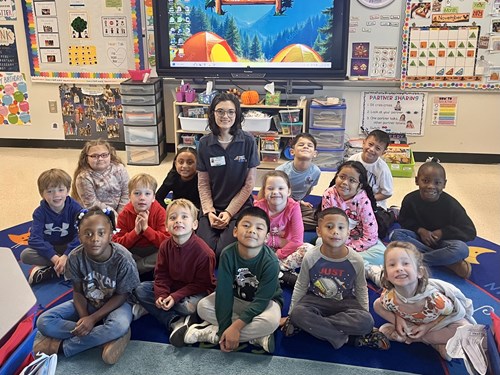
Every parent I’ve met, every teacher or provider I’ve interviewed, and every story I’ve been fortunate enough to share reminds me why this work matters. Serving through South Carolina First Steps has humbled me, expanded my worldview, and given me hope for the future. I hope that the culture of storytelling will continue, because I can promise you it makes a difference.
If I have learned anything in my time here, it’s that storytelling is more than a marketing strategy. It’s more than social media content or a branding tool. Storytelling is how we connect with one another. It’s how we share our values. And it’s one of the most powerful ways we inspire change.
As I close this chapter at South Carolina First Steps, I keep returning to the same truth: stories matter. Stories help us understand one another. They remind us that behind every program, every policy, and every statistic, there are real people—families, teachers, and children—working every day toward a better future.
But storytelling only works if someone is willing to listen. Please keep telling your stories. Keep reading. Keep engaged. It is more important than we sometimes realize. When we take the time to truly listen to one another, we build empathy. We begin to see ourselves in the lives of others. And that understanding is often the first step toward meaningful change.
I am deeply grateful for the opportunity to serve alongside the dedicated team at South Carolina First Steps and the many community partners across our state who work tirelessly to support children and families.
While my role here is coming to an end, my belief in the power of storytelling has only grown stronger. Because stories do more than inform us, but they connect us. They remind us of our shared humanity. And sometimes, they inspire us to build a better world together.
Thank you for reading.
AmeriCorps VISTA
First Steps AmeriCorps VISTA members are full-time volunteers who pledge a year of service to build capacity in nonprofit management, volunteer development, communications, fundraising, and system building. Through their service, VISTAs gain valuable professional experience while making a real impact for young children and their families.
Topics: