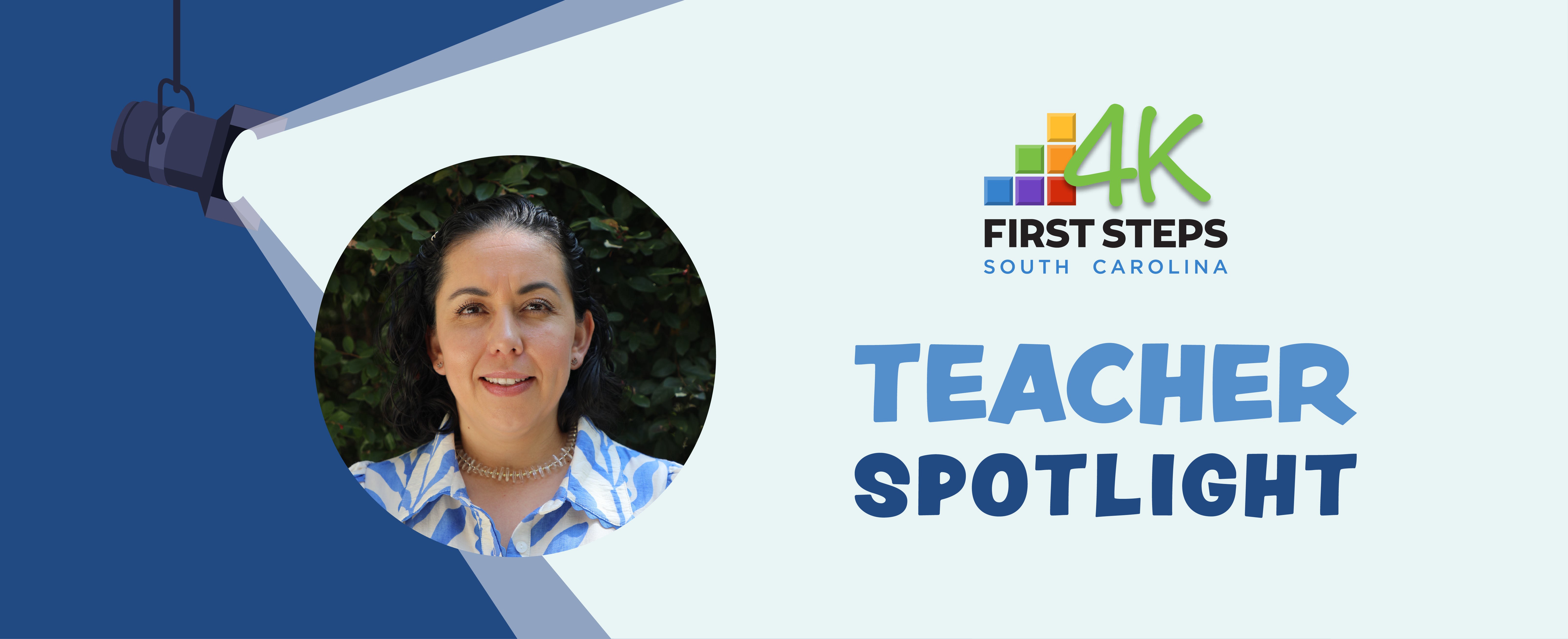
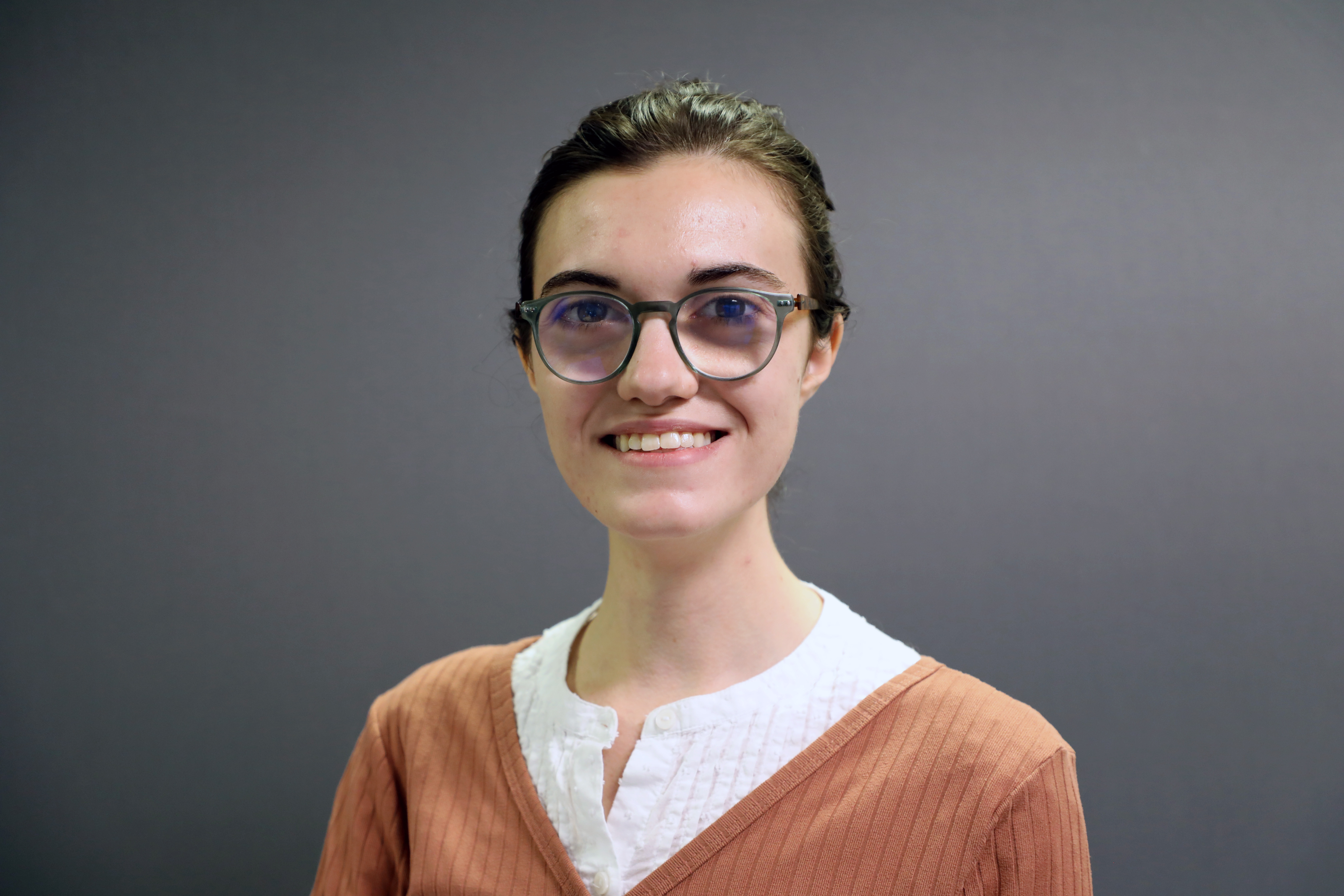
Andrea Rivas, a bilingual 4K teacher at Saint Joseph’s Catholic School in Anderson County, brings a powerful perspective to the classroom. Originally from Mexico, Andrea understands firsthand the challenges English learners face and is committed to giving every student a fair chance to succeed.
That commitment became clear on the first day of school, when she met a young girl repeating kindergarten who didn’t understand why. Teachers were struggling to explain, until Andrea spoke to her in Spanish. “I said, ‘Hey, how are you? My name is Andrea.’ Her face lit up like, ‘I understand you,’” Andrea recalls. “I told her, ‘You can talk to me. I'm here.’”
With Andrea’s support, the student flourished. “I remember when I left that school, I asked about her. One teacher said, ‘That was her best year. She learned and grew so much.’ Her mother was in tears, saying thank you.”
Moments like that solidified Andrea’s belief in the power of representation and connection in the classroom. “It’s important to have good teachers in front of you that care, that want you to be better and reach your goal, who believe in your potential,” she said.
Today, nearly a quarter of U.S. schoolchildren speak a language other than English at home. This number has been steadily increasing over the last few decades, reflecting the nation’s growing immigrant population. Andrea sees this diversity as a strength, and an urgent call for more bilingual educators. “Our teaching methods have to evolve with the times,” she said. “This is the future of America. And it’s a very important job.”
By sharing her own immigrant journey, Andrea helps families feel seen and supported. “I tell parents, ‘I came from Mexico, too. I understand this is a different country, and it’s scary, but you’re not alone. We can do this together.’”
Classroom representation helps affirm our own stories and builds empathy, understanding, and acceptance. When students hear Andrea speak Spanish, it creates a sense of belonging and gives them the encouragement they need to learn. “They say, ‘You’re like me,’ and I say, ‘Yes, I get it. And if I can do it, if I can learn English, so can you. And you can help your family, too,’” she said.
This cultural affirmation strengthens not just student-teacher relationships, but also school-home connections. Bilingual support empowers parents to become active in their children’s education. For educators, Andrea encourages colleagues to be patient and empathetic with multilingual families.
“Put yourself in their shoes,” she tells fellow teachers. “Imagine arriving in a country where you don’t speak the language. It’s hard, but these parents want to help their kids. That’s why they’re here.”
Andrea also equips families with tools to support learning at home. She recommends free, accessible online resources like Duolingo ABC, PBS Kids, and Starfall, which offer interactive stories and games to build reading and English language skills.
“I had parents last year who didn’t have strong literacy skills,” she said. “I showed them how to use the videos and materials; just sit down, press play, and spend time with their child. And that little girl started speaking English! Her parents were so proud.”
To Andrea, that teamwork between school and home is essential. “We’re a team. That’s what I tell my parents. The more people helping, the better prepared our kids will be.”
She also reminds families not to abandon their home language. “Language development is additive, not subtractive. A child’s strongest language is the foundation for learning others. So, I tell them: keep speaking Spanish at home. Don’t worry. They’ll learn both.”
For educators and parents, her advice is simple but powerful: “Give them time. Every child learns differently. Don’t label them. Don’t be harsh. Just be patient and they will come through.”
Andrea Rivas’s story is a testament to the transformative power of empathy, representation, and culturally responsive teaching. By embracing her identity and using her voice to connect across language barriers, she’s not only helping her students thrive academically, but affirming their identities, strengthening family-school partnerships, and reshaping what inclusive education looks like.
Learn more about First Steps 4K
SC First Steps partners with more than 320 licensed child care centers, private schools, and charter schools across the state, making it easy for families to find a high-quality program that meets their needs. To see if your child qualifies for First Steps 4K, a free, full-day four-year-old kindergarten for children in South Carolina, learn more about eligibility.
Topics:
First Steps 4K, School Transition